
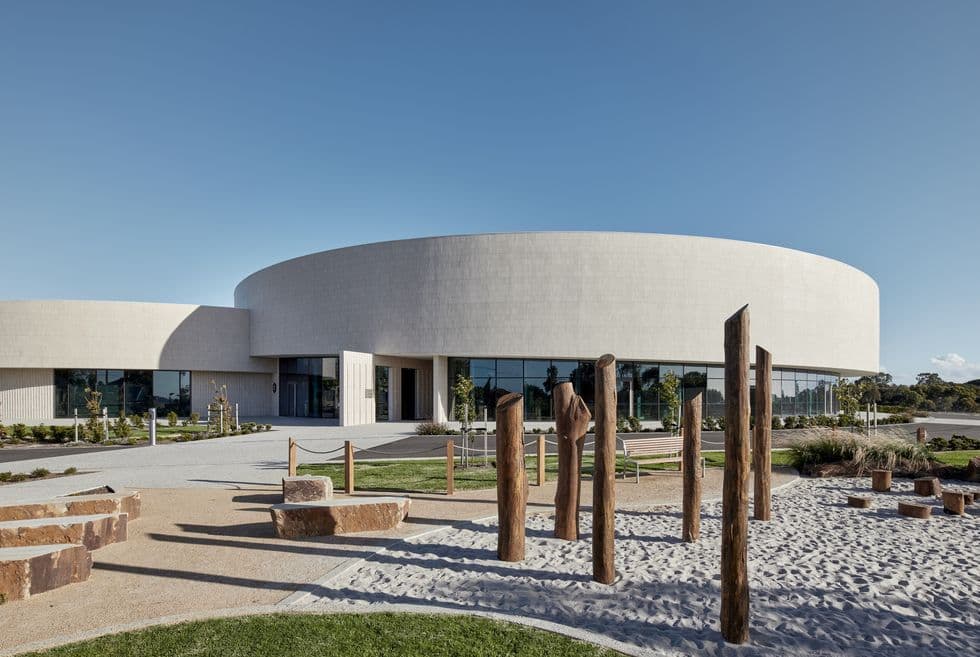
Victoria's Architecture: A Living Archive
1. Introduction
Victoria's architecture is far more than a collection of structures — it is a living archive of ambition, creativity, and culture. From the state's dynamic city skylines to the quiet, enduring charm of regional towns, every corner of Victoria reveals a dialogue between past and present. Each laneway, terrace, and civic hall carries echoes of the people and ideas that shaped it, turning the state into an open-air storybook of heritage and innovation.
"Victoria's architectural landscape is a story written in stone, steel, timber, and community memory."
2. Foundations Older Than the City
Long before colonial settlement reshaped the land, First Nations communities developed sophisticated systems of shelter, seasonal movement, and environmental stewardship. Their approach—grounded in respect for Country and harmonisation with climate—continues to influence contemporary sustainable design.
Today, more architects collaborate with Indigenous custodians to create places that honour traditional knowledge and embed cultural narratives into modern spaces. This shift marks an important evolution in Victorian architecture: one that listens to the land rather than imposing upon it.
3. Gold Rush Grandeur and the Birth of a City
The 19th-century gold rush ignited an era of extraordinary growth and optimism. The capital city blossomed almost overnight, adorned with grand civic buildings, stately terraces, and ornate theatres that still define its character.
Landmarks such as the Princess Theatre, the State Library of Victoria, and the Town Hall showcase the craftsmanship and confidence of the time.
This legacy stretches far beyond the capital. Towns like Ballarat, Bendigo, and Castlemaine preserve some of Australia's most intact heritage streetscapes—bluestone courthouses, wide verandahs, iron lacework, and beautifully proportioned civic buildings.
Walking these streets feels like stepping into a portal to a time when prosperity, migration, and bold architectural expression collided.
"Walking through regional Victoria feels like stepping into a living museum of gold-rush ambition."
4. Modernism, Creativity, and the Expanding City
The 20th century brought Victoria into the era of modernism, with clean lines, functional spaces, and an emphasis on light and openness. As post-war suburbs expanded, architecture evolved to reflect new lifestyles, changing family structures, and emerging technologies.
By the 1970s and 1980s, experimentation took centre stage. Postmodern design introduced expressive geometries, bold colour, and a playful reimagining of historical references. Institutions like RMIT Storey Hall symbolised a city increasingly unafraid to take creative risks.
Meanwhile, the reinvention of urban laneways transformed forgotten service alleys into vibrant experiences that blended architecture with art, culture, and community energy.
5. Innovation for a Changing Environment
Today, Victoria stands at the forefront of design that is beautiful, functional, and deeply responsible. Architectural success is no longer judged solely by aesthetics, but by adaptability, sustainability, and social value.
Key forces shaping Victoria's contemporary design include:
- Climate-responsive architecture using natural ventilation, recycled materials, and smart orientation
- Biophilic design, weaving greenery and natural textures into urban life
- Bushfire-resilient construction, essential for regions exposed to extreme conditions
- Adaptive reuse, transforming heritage buildings into vibrant community spaces — such as the Abbotsford Convent
- Community-led design, ensuring that public spaces reflect local stories and needs
Urban centres continue to push boundaries. Once-controversial projects such as Federation Square are now celebrated for their unmistakable identity, while venues like the Recital Centre merge scientific precision with artistic expression.
Across the suburbs and regions, new homes showcase a growing commitment to eco-conscious living and human-centred design.
"In Victoria, architecture reflects both a respect for the past and confidence in shaping the future."
6. Regional Victoria: Local Stories in Built Form
Outside the capital, regional towns reveal some of Victoria's most intimate design narratives. Along the coast, timber beach houses blend seamlessly into rugged landscapes shaped by wind, salt, and shifting light.
In the Otways, homes tuck quietly into the forest, using muted palettes and low-impact materials to harmonise with nature.
Small towns offer treasures of their own:
- Red-brick post offices
- Weatherboard cottages
- Heritage train stations
- Restored Mechanics Institutes
These hold fragments of community identity. They may not appear on international design lists, but they carry deep emotional weight, preserving memory across generations.
7. Architecture as Identity
Every chapter of Victorian architecture tells a story about who the state was — and who it is becoming:
- Gold-rush grandeur reflects confidence and growth
- Post-war suburbs express hopes for stability
- Contemporary sustainable design reveals environmental awareness
- Adaptive reuse shows a desire to honour the past while embracing the future
- Indigenous-led collaboration reflects respect and reconciliation
In this way, Victorian architecture becomes a storyteller — silent, enduring, and deeply connected to the lives of its people.
8. Looking Ahead: Building for Tomorrow
As Victoria adapts to climate change, population growth, and evolving social needs, architecture will shape the state's future. Emerging trends include:
- Higher-density neighbourhoods built around community, greenery, and walkability
- Innovative, affordable housing models
- Stronger climate resilience in planning
- Greater integration of Indigenous knowledge
- AI-supported design tools improving precision and sustainability
Victoria's architectural future will blend heritage, technology, and cultural depth — creating spaces that feel both timeless and forward-thinking.
9. Conclusion
Victoria's built environment forms a vibrant, evolving tapestry. From gold-rush theatres and bluestone facades to experimental cultural venues, eco-sensitive homes, and cherished regional landmarks, the state's architecture reflects creativity, history, community, and identity.
Whether strolling through a bustling laneway or wandering a country town, every building has a story to tell — a story that continues to unfold as Victoria shapes a future where past and present coexist in harmony.